
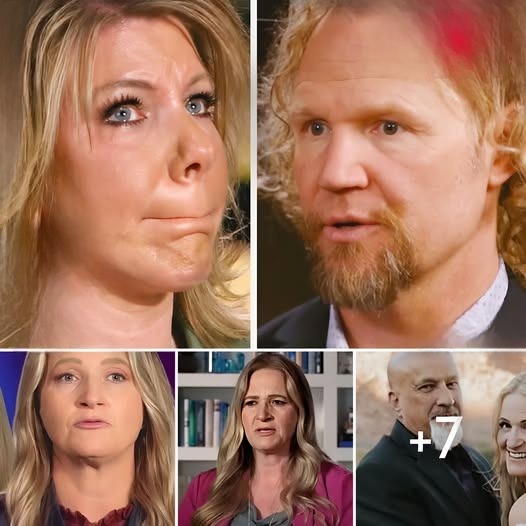
From polygamy to THIS: Christine Brown’s shocking confession about life with David Woolley! 😳💖
Fans of the reality series Sister Wives are once again buzzing after an emotional and revealing conversation featuring Christine Brown Woolley and her husband David Woolley. In a deeply personal discussion with former members of the Apostolic United Brethren community, Christine opened up like never before about the painful realities of plural marriage, the emotional scars she carried for decades, and the healing she has finally found after walking away from polygamy for good.
The conversation quickly became one of the most honest reflections viewers have ever heard about life after leaving a strict religious system. Christine did not hold back as she explained how dramatically different her world feels now that she is in a healthy monogamous marriage with David. According to Christine, the version of herself fans see today is someone who finally feels emotionally safe, supported, and valued after years of struggling to survive in a complicated plural family structure.
The hosts, who were also raised inside the AUB fundamentalist Mormon community, immediately noticed the transformation in Christine. They admitted that years ago she always seemed cheerful on the surface, but now there is something entirely different about her energy. They described her as lighter, happier, and more confident since marrying David. Christine laughed while admitting that she finally feels free to be herself without constantly competing for attention or affection.
As the discussion unfolded, Christine reflected on how deeply rooted polygamy was in her upbringing. She explained that she had spent most of her life believing plural marriage was the only righteous path to heaven. Like many women raised inside the faith, she was taught that sacrifice, obedience, and enduring emotional pain were simply part of being a good wife. Leaving that world behind in 2020 was terrifying, but Christine said she never once regretted the decision after finally walking away.
David, who had never personally lived polygamy but grew up around it, revealed that he could immediately see the emotional damage Christine had carried for years. He explained that once he began witnessing the lasting effects firsthand, he realized many women inside plural marriage are forced to suppress their own needs in order to survive. According to David, the biggest shock was seeing how normalized emotional neglect had become.
He bluntly stated that many men in polygamous relationships refuse to take accountability when marriages collapse. In his opinion, too many husbands blame the women for leaving instead of examining their own behavior. David even admitted that he believes many plural husbands become arrogant because the religious system places them in positions of authority while the wives are expected to quietly endure hardship.
Christine agreed wholeheartedly, explaining that one of the hardest realizations after leaving was understanding that she had spent years pretending everything was fine. She confessed that while filming the show, the family always tried to focus on the positive moments because they truly wanted their lifestyle to work. At the time, she genuinely believed the family could succeed if everyone simply tried harder.
But behind the scenes, Christine admitted she often felt lonely and emotionally unsupported. She explained that now, with David, the contrast is impossible to ignore. Instead of handling every crisis alone, she finally has a partner who listens, helps solve problems, and supports both her and her children without hesitation.
Christine became emotional while describing how David shows up for her family in ways she never experienced before. Whether it is attending concerts, helping the kids, or simply being emotionally available, David has created the type of stable partnership she once believed was impossible. She even joked that he attends events he does not particularly enjoy simply because he knows it matters to her children.
David proudly shared stories about bonding with Christine’s kids and watching the blended family slowly become closer. He explained that he never pressured the children to call him “Dad” because he respects their relationships with their biological father. Instead, he focused on building trust naturally. Over time, many of the children began acting like true siblings, teasing one another, spending time together, and forming genuine family connections.
One touching moment involved Christine’s daughter Truely. David’s son helped teach her how to ride a bike, and Christine admitted it became a meaningful memory because it represented the kind of support system she had always hoped her children would have. According to David, the strongest sign of success is when the kids interact naturally and comfortably with each other.
The conversation then shifted into much darker territory as everyone discussed the poverty and emotional strain that often existed inside plural families. The hosts described growing up in enormous households with dozens of siblings while resources remained scarce. Christine confirmed that financial instability was common and admitted there were very few safeguards preventing men from continually adding wives and children even when they could barely support the families they already had.
David was visibly frustrated discussing the issue. He questioned how religious leaders could encourage men to expand their families without first ensuring they were financially and emotionally capable of caring for everyone involved. Christine compared the situation to conversations she once had with women from other faiths where strict requirements existed before additional marriages could happen. In contrast, she claimed the AUB imposed virtually no meaningful standards.

The emotional impact of that environment clearly stayed with Christine long after leaving. She revealed that years before officially ending her marriage, she had already begun questioning the teachings of the church. It started slowly while preparing lessons for family Sunday school sessions. Eventually she realized she no longer believed many of the doctrines she had once accepted without question.
One of the biggest turning points came when Christine began reevaluating the strict dress codes and garments women were expected to wear. Looking back at old family photographs, she realized how much her appearance and self-esteem had been shaped by the church’s expectations. Christine admitted she eventually came to see the garments as a form of control, especially over women.
The moment she stopped wearing them became symbolic of reclaiming her independence. Although it shocked some family members, Christine said she no longer believed God cared about outward appearances or religious uniforms. What mattered most to her was emotional honesty and personal happiness.
As the years passed, Christine said she became increasingly uncomfortable with the growing control imposed by church leadership. Rules about appearance, clothing, and behavior began pushing her further away from the faith. She eventually reached a breaking point when she realized she no longer believed in the eternal promises tied to plural marriage.
According to Christine, one shocking realization hit her while walking upstairs one day. She suddenly thought about the religious teaching that plural families would someday rule planets together in the afterlife. Instead of comfort, the idea filled her with dread because she could not imagine spending eternity trapped in the same unequal dynamic. In that instant, she knew her faith in the system was completely gone.
The hosts admitted Christine’s public departure became an inspiration for countless women still trapped in unhappy plural marriages. One host shared that her own mother, who had spent decades in polygamy, found tremendous strength watching Christine choose herself and finally walk away. She even confessed that watching those episodes became emotional family events filled with cheering, tears, and angry reactions toward the television.
Christine appeared deeply moved hearing how many women related to her story. She explained that leaving was not about revenge or hatred. Instead, it was about realizing she deserved happiness and emotional fulfillment. She stressed that she never intended to attack anyone personally, but she could no longer ignore the reality of her own unhappiness.
David then delivered one of the conversation’s most powerful statements. He insisted Christine was never meant for polygamy because she thrives in one-on-one relationships where affection, attention, and emotional intimacy are fully reciprocated. He believed she had spent decades denying her own emotional needs simply because she was conditioned to believe sacrifice was holy.
The discussion also explored how fear and guilt are used to keep people trapped inside restrictive religious systems. The hosts spoke openly about being taught that women could only reach heaven through obedience to their husbands. Christine admitted those teachings left lasting psychological scars, making it difficult for many women to trust themselves after leaving.
Yet despite all the pain, the overall message of the conversation was surprisingly hopeful. Christine repeatedly emphasized that healing is possible. She explained that life after polygamy has allowed her to rediscover joy, confidence, independence, and genuine partnership.
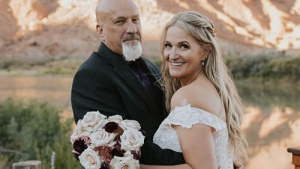
Now married to David, Christine says she finally understands what a healthy relationship is supposed to feel like. There is communication instead of competition, teamwork instead of emotional isolation, and unconditional support instead of constant judgment.
For longtime viewers of Sister Wives, Christine’s transformation may be one of the most dramatic developments the series has ever seen. Once trapped in a marriage where she constantly fought to feel valued, she now appears more secure, outspoken, and fulfilled than ever before.
And according to Christine herself, the greatest revelation of all is painfully simple: happiness was never supposed to feel this hard.