

Shocking: Former actress Kirsty Marillier commits suicide due to severe depression, the cause…
Rumors involving celebrities and tragic personal events spread incredibly fast online, especially within entertainment fandoms and soap opera communities. In recent days, false claims surrounding former Home and Away actress Kirsty Marillier have caused confusion and concern among fans across social media. However, there is currently no verified evidence from credible news organizations, official representatives, or the actress herself confirming the shocking claims circulating online.
The rapid spread of these rumors highlights a growing problem in modern entertainment culture: the way unverified stories can quickly turn into viral “facts” before anyone confirms whether they are actually true. In today’s online environment, emotional headlines are often designed to provoke immediate reactions. Words such as “shocking,” “heartbreaking,” or “tragic” attract attention instantly, encouraging people to share stories before checking whether the information comes from reliable sources.
For fans of television shows like Home and Away, emotional attachment to actors and characters can make those headlines even more powerful. Longtime viewers often feel personally connected to cast members they have watched on screen for years. Because of that connection, alarming rumors involving actors can trigger intense emotional responses almost immediately.
Kirsty Marillier became well known to many viewers through her role on Home and Away, where she built a strong fan following thanks to her memorable performances and emotional storylines. Her presence on the series helped establish her as a recognizable face within Australian television. Even after leaving the show, fans continued following her career and personal updates online, which explains why recent rumors spread so rapidly through entertainment communities.
Unfortunately, celebrity culture sometimes creates an environment where speculation becomes more important than truth. Social media platforms reward dramatic content with attention, shares, and engagement. As a result, unverified stories often travel faster than factual reporting. In many cases, false information can continue spreading for days before corrections finally appear.
This becomes especially dangerous when rumors involve sensitive topics like mental health, depression, or suicide. These subjects carry real emotional weight and should never be treated as entertainment or gossip. False claims can deeply affect not only the individuals involved but also their families, friends, coworkers, and fans.
Mental health itself is an issue that deserves serious and respectful discussion. Across the entertainment industry, more actors and public figures have spoken openly in recent years about emotional pressure, anxiety, burnout, and depression. The demands of public life, online criticism, media attention, and career instability can place enormous stress on performers. Because of this, conversations about mental health in entertainment should focus on support, understanding, and accurate information rather than sensationalism.
Fans often forget that actors are real people living outside the fictional worlds audiences see on television. Public figures may appear confident and successful onscreen while privately facing challenges unknown to viewers. That reality is why spreading unverified stories can become incredibly harmful. Even when rumors are false, the emotional consequences may still affect the person targeted by the speculation.
Another issue contributing to misinformation is the rise of unreliable entertainment websites designed primarily to generate clicks rather than provide verified reporting. These sites frequently publish exaggerated or completely fabricated stories involving celebrity deaths, arrests, secret relationships, or shocking scandals. Because many readers only see headlines shared online, false claims can quickly appear believable without proper fact-checking.
Responsible journalism works differently. Trusted news organizations verify information through official statements, multiple reliable sources, or direct confirmation before publishing sensitive stories. When no credible outlets confirm a major claim, readers should approach sensational headlines with extreme caution.
In the case of Kirsty Marillier, reliable entertainment reporting has instead focused on her acting career, including her work connected to Home and Away and other creative projects. There has been no verified confirmation supporting the disturbing rumors currently circulating online. That distinction matters enormously.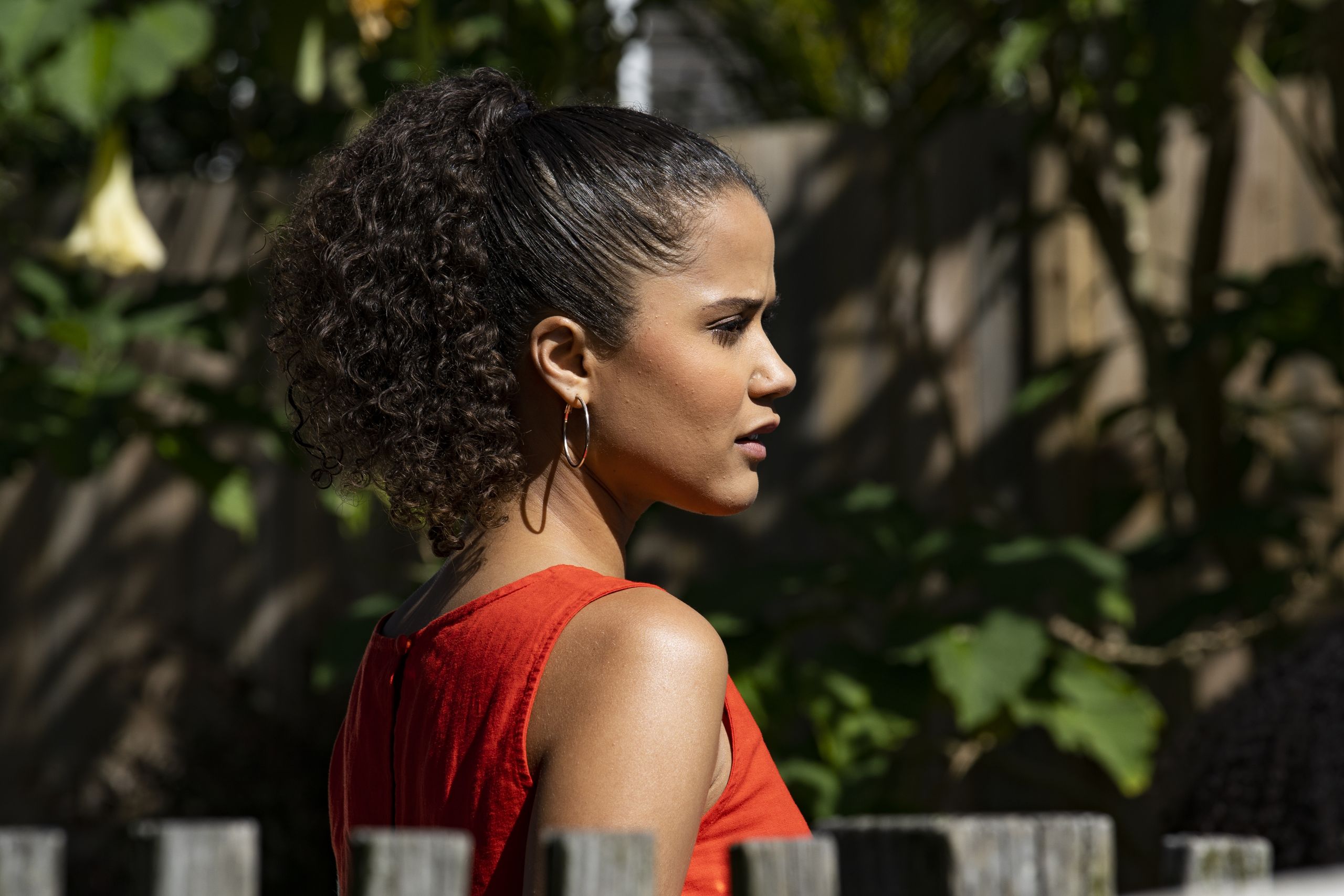
The situation also reveals how emotionally invested soap opera audiences become in actors connected to beloved shows. Series like Home and Away build loyal fan communities over decades, creating strong emotional bonds between viewers and cast members. When fans care deeply about performers, they naturally react strongly to alarming headlines. Unfortunately, rumor-driven websites sometimes exploit that emotional connection for attention.
Many fans online have already started urging others not to share unconfirmed stories. Across social media platforms, viewers increasingly recognize the importance of verifying information before reposting emotional claims. That growing awareness represents an important step toward healthier online behavior.
At the same time, discussions surrounding these rumors have reminded many people about the importance of mental health awareness in general. Even when specific stories prove false, conversations about emotional well-being remain valuable. Encouraging compassion, support, and open dialogue around mental health can help reduce stigma and create healthier communities both online and offline.
The entertainment industry itself has slowly become more open regarding emotional struggles faced by performers. Actors now speak more honestly about stress, anxiety, depression, and the emotional impact of fame than in previous generations. Fans have also become more understanding about the pressures public figures experience behind the scenes.
Still, the line between genuine concern and invasive speculation remains important. Supporting public figures means respecting their privacy and waiting for verified information rather than participating in harmful rumors.
As online discussions continue, many Home and Away fans remain hopeful that greater awareness about misinformation will encourage more responsible sharing habits moving forward. Emotional headlines may attract attention instantly, but accuracy and compassion matter far more in the long run.
For now, what remains most important is separating verified facts from internet speculation. No credible confirmation supports the tragic claims currently circulating about Kirsty Marillier. Until reliable sources provide official information, rumors should be treated carefully and responsibly rather than repeated as truth.
In an era where viral content spreads faster than ever before, moments like this serve as powerful reminders that real people exist behind celebrity headlines — and truth should always matter more than shock value.