
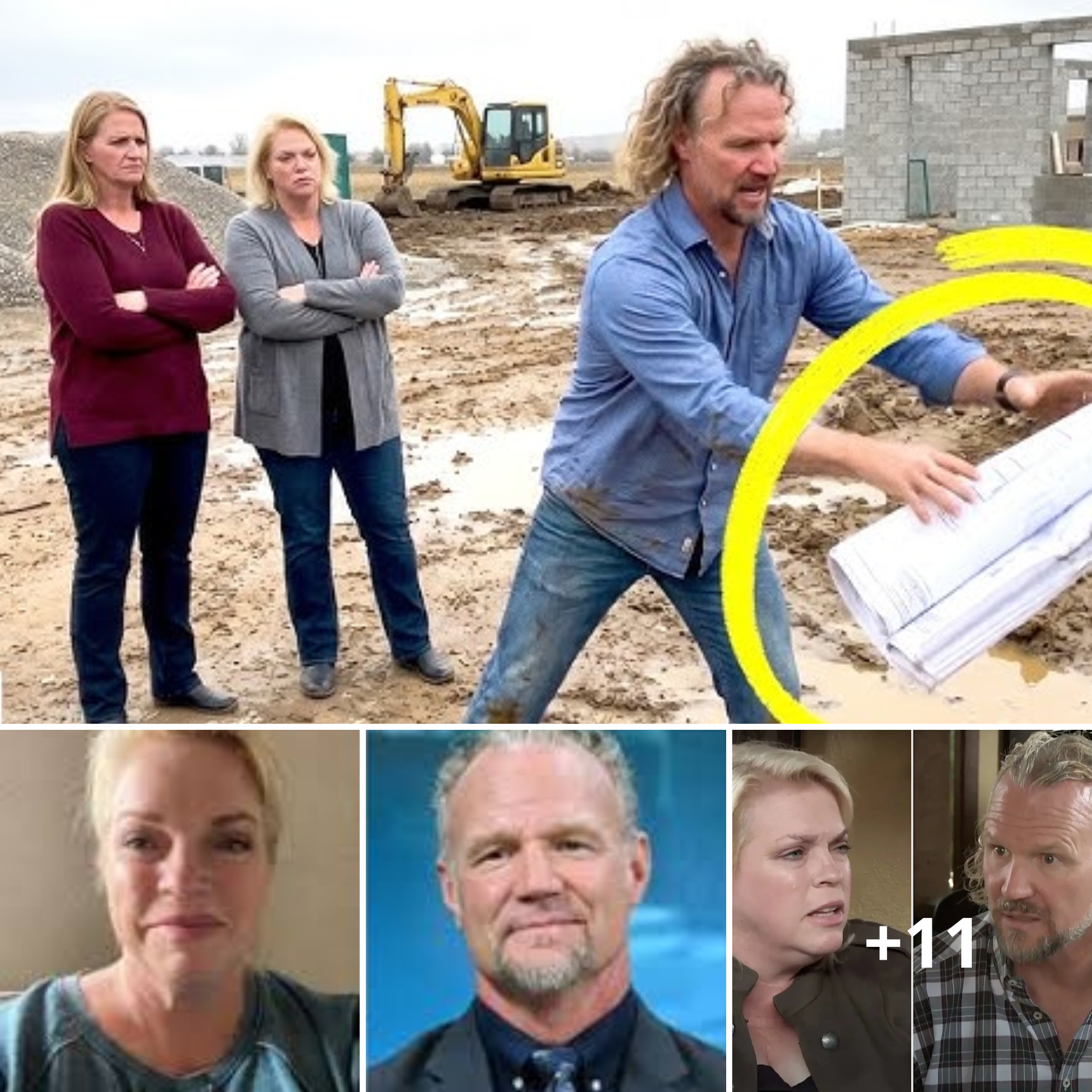
Sister Wives’ Dirty Secret “Coyote Pass: The $1M Dream : Where Did All the Money Actually Go
For years, viewers of Sister Wives watched the Brown family present a vision of unity, ambition, and financial success. At the center of that vision stood Kody Brown, a man who often portrayed himself as the leader steering a massive family through life’s challenges. He spoke confidently about business, long-term plans, and the future he imagined for his wives and children. But behind the scenes, a very different story may have been unfolding—one involving missed opportunities, questionable financial decisions, and a dream called Coyote Pass that slowly transformed into a symbol of everything that went wrong.
One statement from Kody has followed him for years. During a discussion about childcare responsibilities, he famously suggested that his time was worth hundreds of dollars an hour. The remark shocked many viewers, particularly because it seemed to imply that caring for his own children wasn’t the best use of his valuable time. At the time, the comment became a source of controversy. Looking back now, many fans see it as a clue to a much larger issue.
For more than sixteen seasons, audiences were shown a family attempting to make plural marriage work. The Browns relocated multiple times, purchased homes, invested in land, and constantly spoke about building a future together. Yet despite all the grand plans and ambitious speeches, questions about the family’s finances never seemed to receive clear answers.
When the series first debuted, the Browns appeared to be thriving. Four households, numerous children, vehicles, vacations, and large homes created the impression of financial stability. Naturally, viewers assumed the family patriarch was largely responsible for keeping everything running smoothly.
However, as the years passed, cracks began to appear.
The first major turning point came with the family’s move from Utah to Nevada. The relocation was presented as a necessary decision driven by legal concerns and a desire for a fresh start. Moving a family of that size, however, was enormously expensive. Nevertheless, the Browns managed to establish themselves in a Las Vegas cul-de-sac, where four neighboring homes became the visual representation of their family dream.
To many fans, it looked like proof that Kody’s vision was working.
But appearances can be deceiving.
While viewers focused on emotional family meetings and relationship struggles, financial details remained largely hidden. Income sources were discussed only vaguely. The wives frequently appeared to be generating their own revenue through various jobs and business ventures, while Kody’s exact contributions remained difficult to define.
The biggest gamble of all arrived when the family relocated once again—this time to Flagstaff, Arizona.
At the center of the move was a property known as Coyote Pass.

Kody presented the land as the future of the Brown family. The plan sounded ideal. Each wife would eventually have her own home situated on shared property. The family would remain connected while enjoying greater independence. It was sold as the ultimate realization of the plural family lifestyle.
Fans were captivated.
Unfortunately, reality soon began colliding with the dream.
Almost immediately after the land purchase, discussions about money became a recurring storyline. Every season seemed to feature new debates about lot divisions, construction timelines, budgets, permits, and financing. Instead of seeing progress, viewers witnessed endless planning sessions that rarely produced results.
Years passed.
The homes were never built.
Construction never truly got off the ground.
The dream remained little more than a collection of sketches and promises.
As frustration grew, dedicated viewers began conducting investigations of their own. Public records became a popular topic of discussion across fan communities. Property filings, tax information, and ownership documents started circulating online.
What many fans discovered raised serious questions.
According to publicly available records frequently discussed within the fandom, there were periods when property-related obligations connected to Brown family holdings appeared to fall behind schedule. Whether due to financial strain, management issues, or other circumstances, these revelations seemed inconsistent with the image of a highly successful businessman that had been presented on television.
For critics, the contradiction was impossible to ignore.
If someone truly possesses exceptional financial expertise, why would major projects repeatedly stall?
Why would basic obligations become difficult to manage?
Why would a multi-million-dollar dream remain unfinished year after year?
These questions became increasingly difficult to answer.
The Coyote Pass project eventually evolved into the ultimate test of Kody’s leadership. Purchasing land is one thing. Developing it into a thriving residential community is something entirely different. It requires organization, budgeting, long-term planning, and constant attention to detail.
Those skills appeared to be in short supply.
Season after season, new explanations emerged for why progress had stalled. Plans changed. Deadlines shifted. New ideas replaced old ones. Yet tangible results remained elusive.
Meanwhile, the wives began charting their own paths.
Christine Brown provided perhaps the clearest example of what independent decision-making could accomplish. Rather than waiting indefinitely for the Coyote Pass dream to materialize, she took control of her own future. She secured housing, expanded her business opportunities, and ultimately chose to leave the marriage altogether.
Her departure shocked viewers.
What happened afterward surprised them even more.
Christine’s post-marriage success demonstrated that life outside the family structure could be not only possible but highly rewarding. Her popularity grew, her opportunities expanded, and she appeared happier than she had in years.
Then came the departure of Janelle Brown.
For decades, Janelle had been one of the family’s most consistent financial contributors. Yet during the Flagstaff years, she found herself living in an RV on the Coyote Pass property while waiting for promised development that never seemed to arrive.
Many viewers found the situation difficult to understand.
A woman who had worked tirelessly for years was essentially waiting on a dream that continued slipping further away.
Eventually, she too decided to move forward without Kody.
The financial story surrounding Meri Brown proved equally revealing. Over time, reports and discussions surrounding the family’s assets suggested that Meri had contributed significant financial resources toward broader family goals, even during periods when her relationship with Kody appeared strained and distant.
To many observers, it highlighted a recurring pattern.
The women were contributing.
The women were sacrificing.
The women were making things work.
Yet the rewards often seemed unevenly distributed.
At the same time, attention increasingly focused on Robyn Brown and her household. As the family dynamic shifted, Robyn’s home appeared to receive substantial attention and resources. Discussions regarding housing arrangements, childcare assistance, and financial priorities fueled ongoing debates among viewers.
Whether those perceptions were fair or not, one thing became clear: many fans believed the balance within the family had changed dramatically.
The collapse of the Coyote Pass vision only intensified those concerns.
What was originally introduced as the family’s future became a symbol of broken promises. The longer construction failed to begin, the harder it became for viewers to maintain faith in the original plan.
Eventually, the dream seemed to fade altogether.
Instead of representing unity, Coyote Pass became a reminder of division.
Instead of bringing the family together, it appeared to coincide with the unraveling of multiple marriages.
Instead of showcasing strong leadership, it highlighted years of stalled progress.
Today, the financial picture looks very different from the one viewers were shown during the show’s early years.
Christine has built a successful life independently.
Janelle continues pursuing her own goals outside the marriage.
Meri has embraced a new chapter focused on personal growth and business ventures.
Only Kody and Robyn remain together.
For many longtime fans, the biggest revelation isn’t that the family changed. Families change all the time.
The real surprise is discovering who may have been carrying the financial burden all along.
As more details emerged following the separations, a narrative began taking shape. The wives were not simply participants in Kody’s grand vision—they were often the individuals providing the labor, income, stability, and sacrifice necessary to keep that vision alive.
Meanwhile, the man who positioned himself as the architect of the future frequently appeared more comfortable discussing plans than executing them.
That may be the ultimate lesson of the Coyote Pass saga.
A dream can sound impressive.
A vision can inspire people.
A charismatic leader can convince others to believe.
But eventually, reality demands results.
Years after the land was purchased, the promised community never materialized. The marriages fractured. The family splintered. And the women who spent decades supporting the system ultimately discovered they could thrive without it.
The story of Coyote Pass is no longer just about undeveloped land in Arizona.
It’s about expectations versus reality.
It’s about promises versus performance.
And perhaps most importantly, it’s about the hidden work performed by the people standing behind the person taking credit.
For sixteen seasons, viewers were shown a carefully crafted vision of leadership and success. But as the dust settles on the Brown family’s extraordinary journey, many fans believe the real story wasn’t about the man making the speeches.
It was about the women quietly doing the work while the dream slowly fell apart around them.